27 August 2026 | Ebonyi State, Nigeria
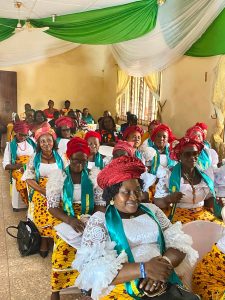
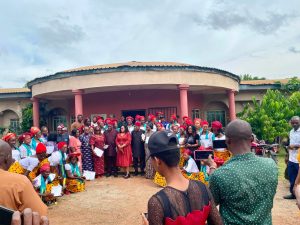
The International Year of Women Farmers celebration on 27 August 2026 provided a timely opportunity to recognise the incredible contributions of women who do more than farm,they help feed families, sustain communities and contribute significantly to national development.
For generations, women have played a central role across the agricultural value chain, yet many continue to face barriers that limit their productivity, income and opportunities. The celebration provided an important platform to recognise their efforts, amplify their voices and advocate for the support they need to thrive.
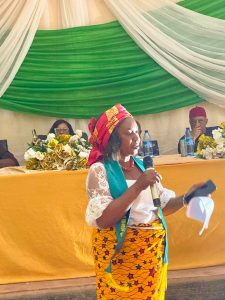
Dr. Kelechukwu Okezie, Executive Director of NEW Foundation, participated as a special guest representing Civil Society Organisations (CSOs). In his address, Dr. Okezie emphasised the vital role women play in agriculture and their enormous contributions to food production, livelihoods and community development. He called for stronger support and expanded opportunities that would enable women farmers to reach their full potential.
The event, organised by the Ebonyi State Ministry of Agriculture under the International Fund for Agricultural Development (IFAD) Programme, also provided an opportunity to examine some of the critical challenges confronting women farmers. In his welcome address, the State Programme Coordinator, Chief Sunday Ituma, highlighted the need to improve women’s access to land, infrastructure, funding and financial support, as well as appropriate agricultural technology.
He encouraged women farmers not to relent but to remain resilient and continue contributing to the growth and development of the agricultural sector.
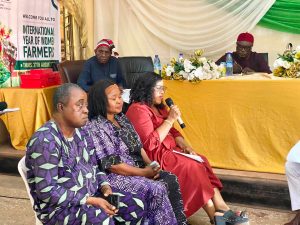
Dr. Okezie also served as a panellist and moderator during a session on the Challenges Women Farmers Face in the Agricultural Value Chains. The discussion provided an opportunity to examine the realities women encounter across different stages of agriculture, from production and access to inputs, land and finance to processing, marketing, technology and access to profitable markets.
The conversations reinforced an important development message: celebrating women farmers must go beyond recognition. It must translate into action and stronger support systems that address the barriers limiting their participation and productivity.
When women farmers have access to land, finance, infrastructure, technology and the right support systems, they are better positioned to increase food production, create jobs, strengthen their families and contribute meaningfully to economic development.
Women farmers are not merely participants in agriculture. They are vital drivers of food security, livelihoods, community resilience and national development. Recognising their contribution means investing in the systems and opportunities that allow them to thrive.