September 2026 | All Saints Cathedral, Abakaliki Diocese, Ebonyi State
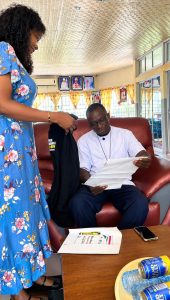
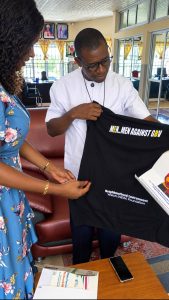
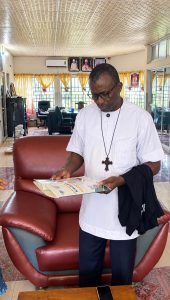
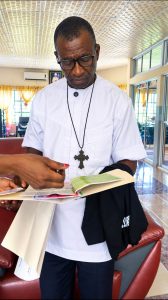
As part of its ongoing advocacy efforts to promote gender equality, gender justice, and the prevention of gender-based violence (GBV), the Male Feminist Network (MFN) team paid a high-level advocacy visit to All Saints Cathedral, Abakaliki Diocese, where the team was warmly received by the Bishop of Abakaliki, The Rt. Rev’d Monday Chukwuma Nkwoagu.
During the engagement, the team shared the objectives of the advocacy and highlighted the importance of strengthening community and faith-based support systems for the prevention of gender-based violence and the promotion of equality.
The Bishop expressed the Church’s alignment with these objectives and reaffirmed its support for the Male Feminist Network (MFN) and initiatives that advance gender justice, equality, and GBV prevention.
A key issue highlighted during the engagement was the need to provide safe homes and protection for survivors of gender-based violence. The Bishop emphasised that beyond rehabilitation, survivors require secure environments where they can access safety, care, protection, and continued support as they rebuild their lives.
The engagement reinforced the critical role of faith leaders and religious institutions in building communities where women and girls are protected, respected, valued, and able to live free from violence and discrimination.
Faith institutions remain important platforms for shaping values, influencing attitudes, and encouraging individuals and families to embrace respect, dignity, equality, and peaceful relationships. Strengthening partnerships with faith leaders therefore remains an important part of efforts to prevent GBV and promote gender justice at the community level.
The advocacy visit further demonstrated the value of collaboration between civil society organisations and faith-based institutions in addressing gender-based violence and strengthening support for survivors.
Together, through partnership and collective action, we can strengthen prevention, support survivors, and promote safer and more inclusive communities.