September 2026 | Ndiegu Agbaja Autonomous Community, Izzi LGA, Ebonyi State
For years, we have learned that lasting change does not happen by speaking only to those who already agree with us. It happens when we take the conversation to the people and institutions that shape our communities.
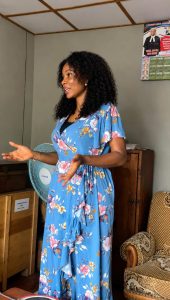
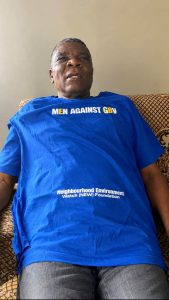
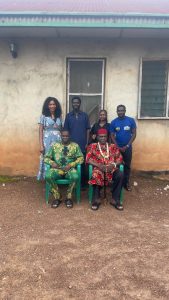
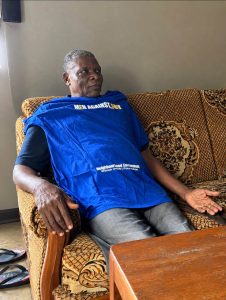
In that spirit, the team paid a high-level advocacy visit to HRH Eze Michael Ofoke of Ndiegu Agbaja Autonomous Community, Izzi Local Government Area, Ebonyi State, to engage on gender equality, feminism, human rights, and the prevention of gender-based violence (GBV).
The HRH warmly welcomed the team and expressed his support for the fight against GBV and the promotion of gender equality. He shared his experience as an advocate for gender equality and reaffirmed his commitment to supporting efforts that address violence and harmful practices within society.
He also appreciated the work of the organisation and expressed his willingness to collaborate in advancing these objectives and promoting positive change within the community.
One of the major outcomes of the engagement was an invitation for the team to participate in a Traditional Rulers’ Council meeting, where HRH Eze Michael Ofoke proposed that traditional rulers be educated on cultural practices that violate human rights and engage in discussions on the role traditional institutions can play in promoting positive change.
Importantly, the HRH also expressed interest in having the engagement covered by the press, recognising the power of public awareness in challenging harmful practices and encouraging communities to embrace more positive and rights-respecting norms.
The visit reinforced a fundamental lesson: advocacy becomes more powerful when it reaches the custodians of culture and community leadership.
Traditional institutions have an important role to play in shaping community values, influencing social norms, protecting human dignity, and creating an environment where harmful practices can be challenged and positive change can take root.
By engaging traditional institutions, creating space for dialogue, and building meaningful partnerships, we can challenge harmful practices and promote communities where human rights, dignity, equality, and safety are respected.
The conversation continues.
The partnership begins.
The change must follow.